
Navigating New Beginnings: A Guide to Taming Rescued Dogs with Positive Reinforcement and Prescription Diets
Bringing a rescued dog into your home marks the beginning of a profoundly rewarding journey, yet it often comes with unique challenges. Many shelter dogs carry past experiences that manifest as anxiety, fear, or reactivity, requiring a thoughtful and patient approach to help them adjust. Successfully integrating these companions into a stable home environment hinges on consistent positive reinforcement, a deep understanding of canine behavior, and, in many cases, targeted nutritional support.
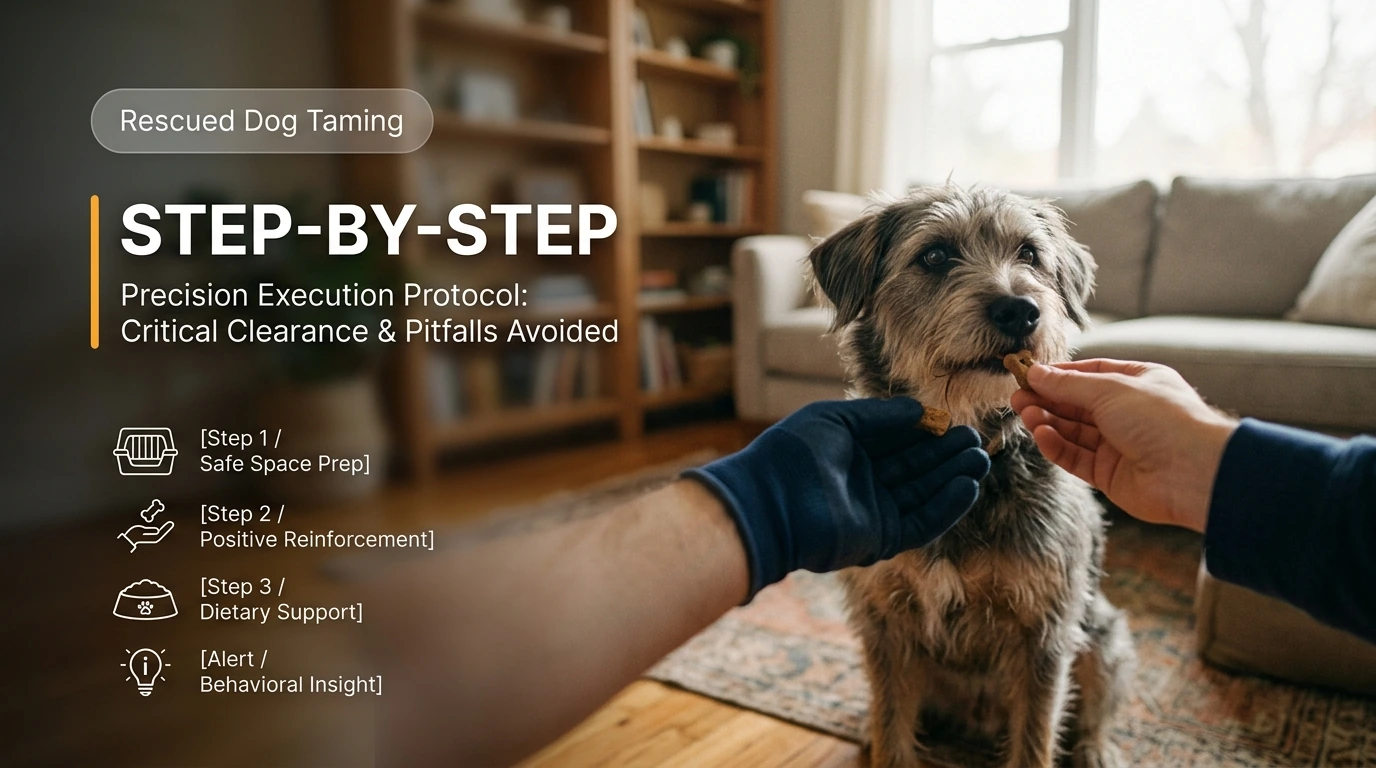
Key Takeaways for Successful Integration
- Establish a predictable, secure home environment to build your dog's confidence.
- Consistently apply positive reinforcement techniques to encourage desired behaviors.
- Consult a veterinarian to explore how specialized prescription diets can support behavioral health.
- Learn to interpret and respond appropriately to your dog's unique behavioral cues and body language.
Understanding the Rescued Canine Psyche
Many rescued shelter dogs arrive with an unknown history, which can translate into a spectrum of behaviors ranging from shyness and fear to over-excitability or resource guarding. These behaviors are often coping mechanisms developed in previous stressful environments. Recognizing that these actions stem from past experiences, rather than malice, is fundamental to effective training and integration. A dog's ability to adapt is heavily influenced by its individual temperament, previous socialization, and the consistency of its new environment.
Initial Preparations and Essential Supplies
Before your new companion arrives, setting up a safe and welcoming space is paramount. This proactive step minimizes stress for the dog and helps establish a stable routine from day one.
- Safe Haven: Designate a quiet, secluded area (e.g., a crate, a spare room) as your dog's personal retreat. Equip it with a comfortable bed, water, and appropriate chew toys.
- High-Quality Diet: Obtain the food the shelter was feeding, or a recommended transition diet, to avoid immediate digestive upset. Have plenty of high-value training treats ready.
- Leash and Collar/Harness: Ensure you have a properly fitting collar or harness and a sturdy leash for safe walks and handling.
- Identification: A tag with your contact information should be on the collar immediately upon arrival, even if the dog is microchipped.
- Enrichment Toys: Puzzle feeders and durable chew toys can help alleviate boredom and stress.
Building Trust: A Step-by-Step Integration Protocol
The process of taming and integrating a rescued dog is a marathon, not a sprint. Patience, consistency, and positive reinforcement are your most valuable tools.
Phase 1: Arrival and Acclimation
- Quiet Introduction: Upon arrival, take your dog directly to its designated safe space. Allow it to explore quietly, without immediate pressure for interaction. Keep initial greetings calm and brief, especially with other household members or pets.
- Establish Routine: From day one, implement a consistent schedule for feeding, potty breaks, and rest. Predictability reduces anxiety and builds confidence.
- Observe and Respect: Pay close attention to your dog's body language. Signs of stress include lip-licking, yawning, averted gaze, tucked tail, or excessive panting. Respect its need for space and do not force interaction.
Phase 2: Reinforcing Desired Behaviors
- Positive Association: Use high-value treats, gentle praise, and calm petting to reward calm behavior, successful potty breaks, and any voluntary positive interactions. Avoid punishment, which can erode trust.
- Leash Training: Even if previously leash-trained, practice short, positive walks in a quiet area. Reward loose-leash walking and calm responses to new sights and sounds.
- Controlled Socialization: Once settled, gradually introduce the dog to new people and calm, well-socialized dogs in controlled environments. Always supervise and ensure positive experiences.
Phase 3: Gentle Structure and Routine
- Basic Obedience: Begin teaching foundational cues like 'sit,' 'stay,' 'come,' and 'leave it' using positive reinforcement. These commands provide structure and enhance communication.
- Enrichment Activities: Incorporate daily mental stimulation through puzzle toys, scent games, and short training sessions. This helps prevent boredom and destructive behaviors.
- Continued Patience: Understand that setbacks are normal. A dog may take weeks or months to fully decompress and show its true personality. Maintain consistency and seek professional guidance if significant behavioral issues persist.
PRO TIP: The "Two-Week Shutdown" Protocol
For the initial 10-14 days, many animal behaviorists recommend a "two-week shutdown." This involves minimizing external stimuli, avoiding public outings, and allowing the dog to decompress in a quiet, confined space. The goal is to reduce stress and allow the dog to observe and adapt without pressure, fostering a sense of security before introducing new experiences.
The Role of Specialized Diets in Behavioral Management
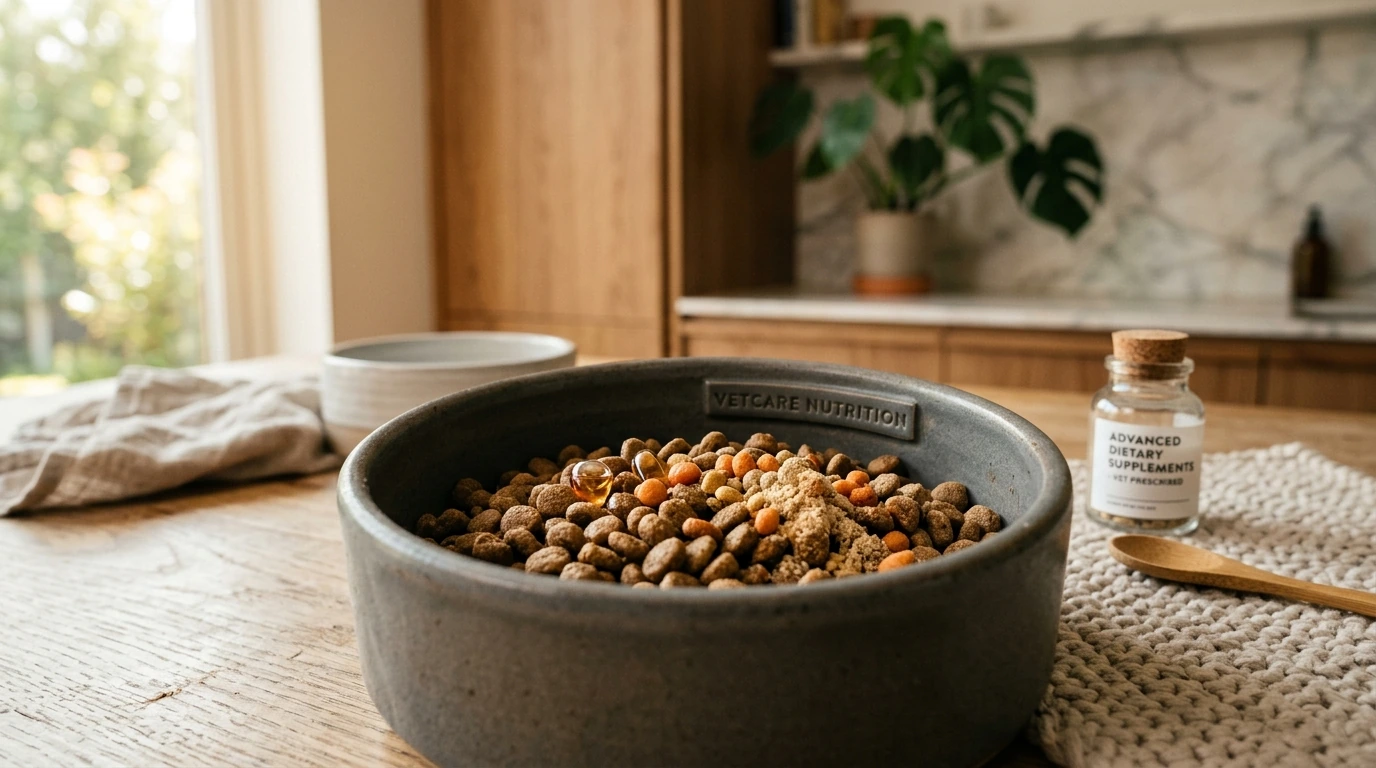
While training and environmental enrichment form the bedrock of behavioral improvement, nutritional science has advanced to offer specialized dietary support. Certain prescription diets are formulated with ingredients intended to help manage stress and anxiety in dogs, often working in conjunction with veterinary-prescribed behavioral medications or as a standalone supportive measure. It is crucial to consult a veterinarian before making any significant changes to a dog's diet, especially when considering prescription formulations.
Common Dietary Components for Behavioral Support
Several ingredients are frequently incorporated into veterinary therapeutic diets aimed at supporting canine behavioral health. Their reported mechanisms of action vary, but the overarching goal is to promote a calmer physiological state.
| Component/Type | Reported Mechanism/Benefit | Typical Application |
|---|---|---|
| Hydrolyzed Casein (e.g., Alpha-casozepine) | A milk protein derivative with reported anxiolytic properties, potentially mimicking the calming effect of maternal milk. | General anxiety, stress-related behaviors, noise phobias. |
| L-tryptophan | An amino acid precursor to serotonin, a neurotransmitter associated with mood regulation and well-being. | Mild anxiety, aggression, sleep disturbances. |
| B Vitamins (e.g., B6, Folic Acid, B12) | Essential cofactors in neurotransmitter synthesis and nervous system function; deficiency can impact mood. | Supporting overall neurological health and stress response. |
| Omega-3 Fatty Acids (EPA/DHA) | Possess anti-inflammatory properties and are vital for brain health and cognitive function, potentially reducing reactivity. | Cognitive dysfunction, general anxiety, inflammatory conditions. |
| Specific Carbohydrate Blends | Some formulations include specific carbohydrate ratios believed to influence serotonin production and maintain stable blood sugar. | Managing excitability, supporting stable mood. |
Reported benefits and typical applications of common dietary components found in veterinary behavioral support diets. Always consult a veterinarian for personalized recommendations.
Navigating Common Behavioral Hurdles
Integrating a rescued dog can present specific challenges. Being prepared for these can help you respond effectively and maintain progress.
- Separation Anxiety: Many rescued dogs develop distress when left alone. Gradual desensitization, starting with very short absences and increasing duration, is often recommended. Consider professional guidance for severe cases.
- Resource Guarding: This behavior, where a dog protects food, toys, or even people, can be a protective response. Avoid confronting the dog directly. Instead, practice 'trade' games with lower-value items for higher-value ones, always ensuring the dog feels safe and unthreatened.
- Fear-Based Reactivity: Barking or lunging at perceived threats (other dogs, strangers, loud noises) often stems from fear. Management involves avoiding triggers and working with a certified professional using desensitization and counter-conditioning techniques.
- House-Training Lapses: Past living conditions or stress can lead to accidents. Re-establish consistent potty routines, reward outdoor elimination, and clean accidents thoroughly with enzymatic cleaners to remove odors that attract repeat marking.
Integrating a Guard Dog Safely: Certified Training and Essential Insurance Protocols →
Monitoring Progress and Ensuring Lasting Harmony
Regularly assessing your dog's adjustment is key to long-term success. Look for these indicators of positive progress:
- Comfort in Environment: Does your dog relax fully in various areas of the home? Does it seek out comfortable resting spots without excessive vigilance?
- Engagement with Family: Does your dog initiate gentle interaction, respond positively to affection, and show interest in family activities?
- Reduced Stress Signals: Observe a decrease in stress behaviors such as excessive panting, lip-licking, pacing, or hiding in routine situations.
- Improved Appetite and Sleep: A healthy appetite and sound sleep are strong indicators of a dog feeling secure and well-adjusted.
- Response to Cues: Does your dog consistently respond to basic obedience commands, indicating a strong bond and understanding?
- Appropriate Outdoor Behavior: Is your dog able to walk calmly on a leash, exhibiting less reactivity to external stimuli, and enjoying its outdoor time?
Taming a rescued shelter dog is a journey of understanding, patience, and consistent effort. By combining a predictable, positive environment with targeted training and, where appropriate, veterinary-guided dietary support, you can help your new companion blossom into a confident, cherished member of your family.
Post a Comment for "Navigating New Beginnings: A Guide to Taming Rescued Dogs with Positive Reinforcement and Prescription Diets"