
Advanced Veterinary Approaches: Managing Severe Anxiety in Canine Companions
When a canine companion struggles with high anxiety, the impact extends beyond the dog to the entire household. Navigating the complex landscape of severe canine anxiety requires a multi-faceted, veterinary-guided approach, drawing on the latest understanding of animal behavior, neurobiology, and pharmacological advancements. This isn't about quick fixes, but rather a dedicated journey toward improving a dog's quality of life through informed, specialized care.
Key Takeaways
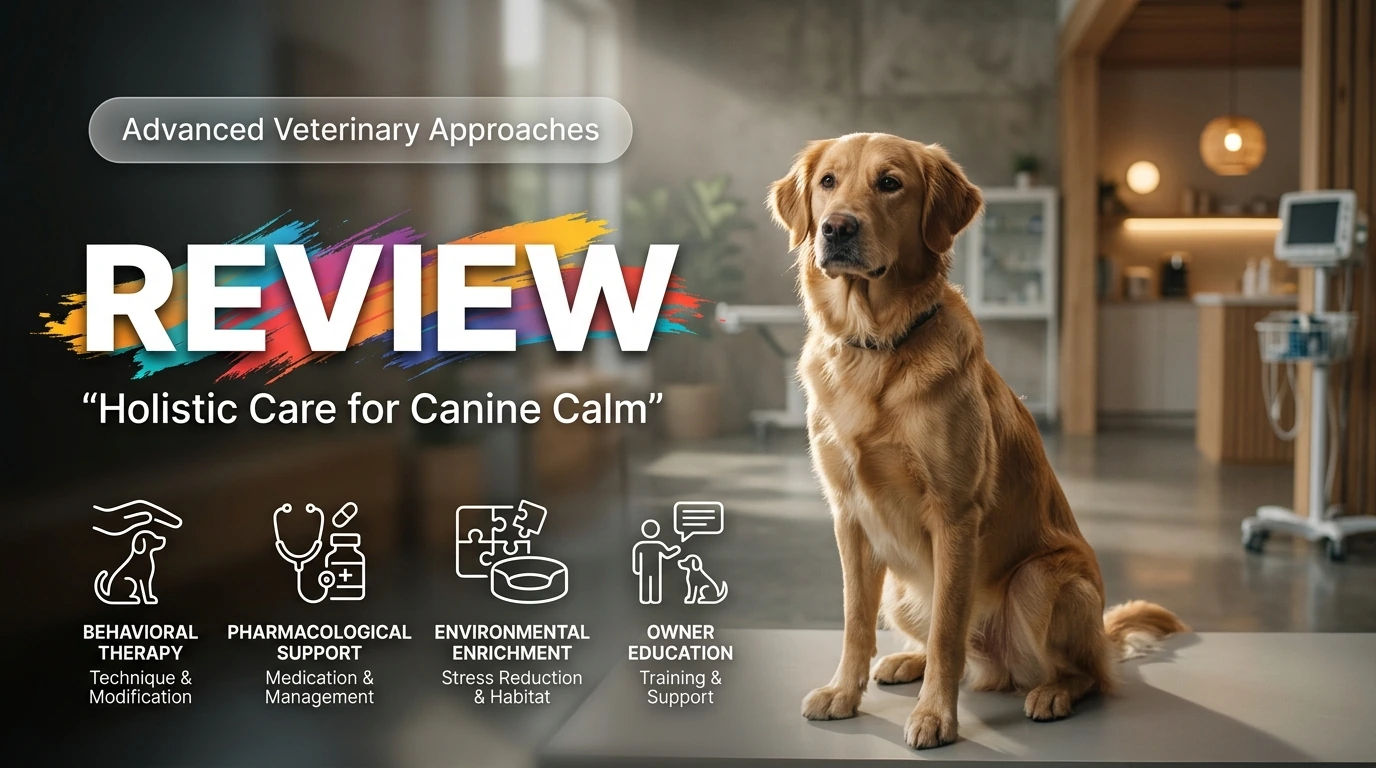
- Integrated Treatment Plans: Effective anxiety management typically combines behavioral modification, environmental enrichment, and, when necessary, pharmacological intervention.
- Veterinary Consultation is Paramount: A thorough diagnostic process by a qualified veterinarian or veterinary behaviorist is crucial to rule out underlying medical conditions and tailor a specific treatment protocol.
- Consistency and Patience: Success hinges on consistent application of strategies and a patient, understanding approach from all members of the household.
- Proactive Environmental Shaping: Modifying the dog's living space to reduce triggers and provide safe havens significantly supports therapeutic efforts.
Veterinary Consensus: A Path to Canine Calm
For dogs exhibiting high anxiety, the consensus among veterinary behaviorists points towards an integrated approach. This involves a precise diagnosis to differentiate between various forms of anxiety (e.g., separation anxiety, generalized anxiety, noise phobia) and then deploying a tailored strategy. The core strength of these specialized veterinary strategies lies in their evidence-based foundation, moving beyond generalized advice to targeted interventions that address the specific neurochemical and behavioral patterns contributing to a dog's distress. The goal is not merely to suppress symptoms but to foster a more resilient and calmer state of mind for the animal.
Foundation of Care: Understanding Core Strategies
The technical breakdown of anxiety management strategies often begins with a comprehensive behavioral assessment. This involves detailed observation and owner questionnaires to identify triggers, responses, and the severity of anxiety. From a physiological standpoint, severe anxiety is understood to involve dysregulation of neurotransmitters such as serotonin, GABA, and norepinephrine. Therefore, pharmacological interventions, when prescribed, aim to modulate these chemical pathways, often using medications like SSRIs (Selective Serotonin Reuptake Inhibitors), TCAs (Tricyclic Antidepressants), or anxiolytics.
Beyond medication, the strategies emphasize:
- Behavioral Modification: Techniques such as desensitization and counter-conditioning are fundamental. Desensitization gradually exposes the dog to anxiety-inducing stimuli at a low intensity, while counter-conditioning pairs the stimulus with something positive to change the dog's emotional response.
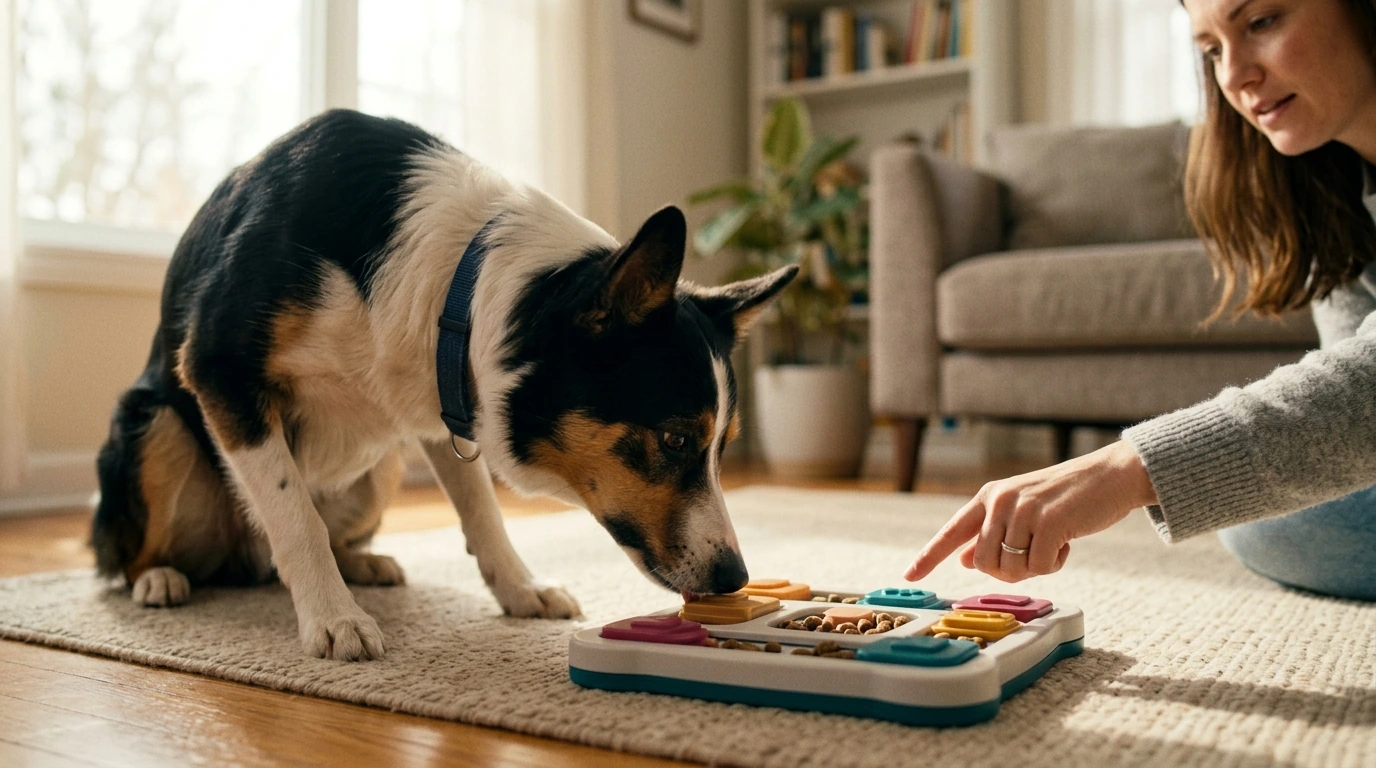
- Environmental Enrichment: This involves creating a stimulating yet secure environment, providing appropriate outlets for natural behaviors, and reducing exposure to known stressors. This could include puzzle toys, designated safe spaces, and predictable routines.
- Owner Education: Equipping owners with the knowledge to recognize subtle signs of anxiety, implement training protocols correctly, and manage their own responses to their dog's behavior is critical.
The adaptability of these strategies is high, allowing for adjustments based on the individual dog's progress and specific needs, adhering to known industry standards for animal welfare and ethical treatment.
Real-World Application: Impact on Anxious Dogs
In practice, implementing these veterinary-backed strategies requires consistency and a deep understanding of canine communication. For a dog with severe separation anxiety, this might mean a multi-week protocol involving a combination of a prescribed anxiolytic, a structured departure and return routine, and the use of calming pheromones or enrichment toys during absences. Owners commonly report a gradual but noticeable reduction in destructive behaviors, excessive vocalization, and self-harm associated with anxiety, often within 4-8 weeks of consistent application, especially when medication is part of the plan.
For noise phobias, the approach might involve creating a sound-proofed 'den,' using calming wraps, and potentially short-acting anxiolytics administered prior to anticipated loud events. The effectiveness is often tied to the owner's ability to minimize triggers and consistently reinforce desired behaviors, as reported in numerous case studies and owner surveys.
PRO TIP: Holistic Veterinary Assessment
Always ensure a full veterinary check-up to rule out any underlying medical conditions before attributing symptoms solely to anxiety. Pain, hormonal imbalances, or neurological issues can mimic anxiety and require different treatment protocols. A comprehensive diagnostic workup is non-negotiable for effective care.
Strategic Advantages and Practical Considerations
A balanced assessment of these advanced veterinary strategies reveals clear benefits alongside certain challenges.
- Pros:
- Evidence-Based Efficacy: Strategies are grounded in scientific research, offering the highest probability of positive outcomes.
- Improved Quality of Life: Successfully managed anxiety significantly enhances a dog's well-being and reduces stress for the entire family.
- Tailored Protocols: Individualized treatment plans address specific anxiety types and severity, avoiding a one-size-fits-all approach.
- Long-Term Solutions: Focus on behavioral modification aims for sustainable changes rather than temporary symptom relief.
- Cons:
- Time and Resource Intensive: Effective implementation requires significant commitment of time, effort, and potentially financial resources.
- Potential Side Effects of Medication: Pharmacological interventions carry risks of side effects, requiring careful monitoring by a veterinarian.
- Requires Owner Consistency: Inconsistent application of behavioral protocols can hinder progress or even exacerbate anxiety.
- Finding the Right Specialist: Access to board-certified veterinary behaviorists can be limited depending on geographic location.
Investing in Well-being: Tailoring the Approach
For owners grappling with a highly anxious dog, investing in specialized veterinary care strategies is often a definitive step towards meaningful improvement. These approaches are particularly suited for dogs whose anxiety significantly impacts their daily functioning, causes distress to themselves or others, or has not responded to basic training and environmental adjustments. Who should buy into this approach? Owners who are committed to a long-term solution, willing to collaborate closely with veterinary professionals, and prepared for the dedication required in implementing complex behavioral protocols.
The definitive purchasing verdict here is not about a product, but a commitment to a process. It's a recommendation for owners facing severe canine anxiety to prioritize professional veterinary consultation and embrace a holistic, patient-centered treatment plan. The value derived is immeasurable: a calmer dog, a more harmonious home, and a stronger bond built on understanding and effective care.
Effective Strategies for Taming Working Dog Breeds and Reducing Behavioral Healthcare Expenses →
Frequently Asked Questions About Canine Anxiety Management
- Q: How long does it typically take to see results with these strategies?
- A: The timeline varies widely depending on the dog's individual case, the severity of anxiety, and the consistency of implementation. Owners often report initial improvements within weeks, but significant, lasting change can take several months of dedicated effort.
- Q: Are medications always necessary for severe anxiety?
- A: Not always, but they are frequently a critical component, especially for severe cases. Medication can help manage the underlying neurochemical imbalances, making the dog more receptive to behavioral therapies. A veterinary behaviorist will determine if medication is appropriate.
- Q: Can I manage my dog's severe anxiety without professional help?
- A: While basic anxiety can sometimes be managed with owner-led efforts, severe anxiety almost always benefits from the expertise of a veterinarian or veterinary behaviorist. Their diagnostic skills and ability to prescribe tailored, evidence-based treatments are invaluable.
Post a Comment for "Advanced Veterinary Approaches: Managing Severe Anxiety in Canine Companions"