
Mastering Canine Calm: Advanced Veterinary Protocols for High-Anxiety Dogs
Addressing high anxiety in dogs requires a nuanced, comprehensive approach that extends beyond basic obedience training or simple reassurance. Veterinary science, through specialized care strategies, offers structured protocols designed to mitigate severe anxiety, improving both the dog's quality of life and the human-animal bond.
These advanced veterinary interventions integrate various therapeutic modalities, aiming to rebalance a dog's emotional state and modify maladaptive behaviors. Understanding the components and application of these strategies is essential for owners seeking effective, evidence-based solutions.
Initial Assessment: Decoding Canine Distress
Specialized veterinary care strategies for high-anxiety dogs begin with a thorough diagnostic evaluation. This initial phase involves a detailed behavioral history, physical examination, and often diagnostic tests to rule out underlying medical conditions that could mimic or exacerbate anxiety symptoms. The goal is to accurately categorize the anxiety type, such as separation anxiety, generalized anxiety, noise phobia, or fear-related aggression, which dictates the subsequent treatment plan.
Veterinary professionals utilize established diagnostic criteria and behavioral questionnaires to assess the severity and triggers of anxiety. This foundational understanding ensures that interventions are precisely tailored to the individual dog's needs, moving beyond generic advice to targeted, science-backed solutions.
The Pillars of Advanced Anxiety Management
Effective veterinary anxiety protocols are typically multimodal, meaning they combine several therapeutic approaches for synergistic effects. These pillars are grounded in neurobiology and behavioral science, aiming to address both the physiological and psychological aspects of canine anxiety.
- Behavioral Modification: This involves structured training techniques, often guided by a certified professional dog trainer or veterinary behaviorist. Techniques include desensitization (gradual exposure to triggers), counter-conditioning (associating triggers with positive experiences), and positive reinforcement to encourage calm behaviors.
- Pharmacological Intervention: For moderate to severe anxiety, veterinarians may prescribe anxiolytic medications. These can include selective serotonin reuptake inhibitors (SSRIs), tricyclic antidepressants (TCAs), or benzodiazepines, chosen based on the dog's specific diagnosis, severity, and individual response. Medications aim to rebalance neurochemical pathways, making the dog more receptive to behavioral therapy.
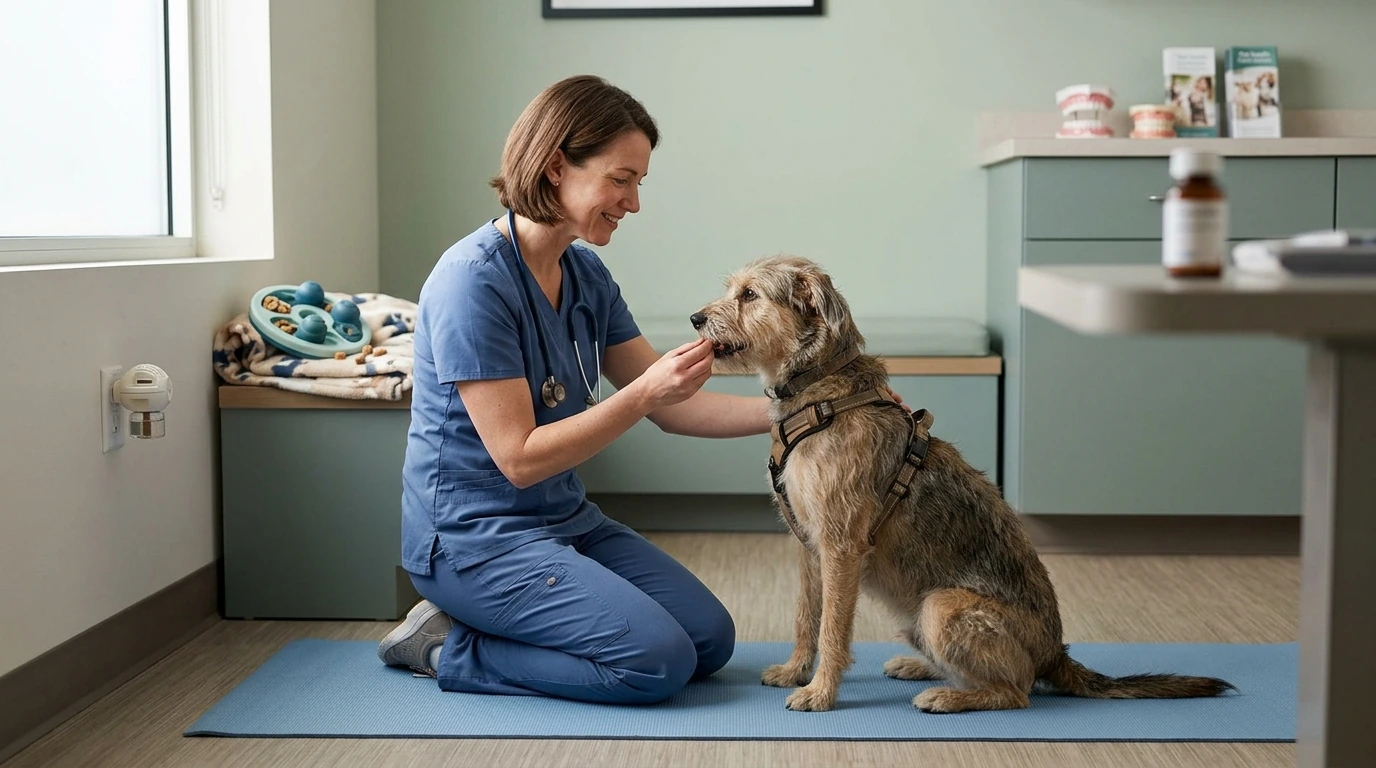
- Environmental Management: Creating a predictable, safe, and enriching environment is fundamental. This includes providing a secure den or crate, minimizing exposure to known triggers, ensuring adequate exercise, and offering puzzle toys or chews for mental stimulation.
- Nutritional Support & Supplements: Certain diets formulated for calming effects, as well as supplements like L-theanine, alpha-casozepine, or probiotics, are often recommended. While not standalone treatments, they can support overall neurological health and potentially reduce anxiety symptoms when used in conjunction with other therapies.
- Pheromone Therapy: Synthetic canine appeasing pheromones (CAPs), mimicking the natural pheromones lactating mother dogs emit to calm their puppies, can be diffused or worn to create a reassuring environment for some dogs.
Real-World Application: Navigating Treatment Journeys
Implementing specialized veterinary anxiety strategies requires consistency, patience, and close collaboration between the owner and the veterinary team. A typical treatment journey is not linear; it involves regular check-ins, medication adjustments, and ongoing behavioral guidance. Owners are provided with detailed instructions for at-home exercises, environmental modifications, and medication administration.
Initial improvements can often be observed within weeks of starting a multimodal plan, particularly with pharmacological support. However, sustained progress and behavioral shifts typically require several months of dedicated effort. Challenges can include identifying all anxiety triggers, managing medication side effects, or maintaining owner compliance with complex behavioral protocols. Veterinary oversight ensures that these challenges are addressed effectively, adjusting the plan as needed.
Comparative Veterinary Approaches to Common Anxiety Types
| Anxiety Type | Primary Veterinary Approaches | Typical Duration of Intensive Treatment |
|---|---|---|
| Separation Anxiety | Behavioral modification (gradual departures), SSRIs/TCAs, environmental enrichment, pheromone therapy. | 3-6 months, ongoing management |
| Noise Phobia | Desensitization/counter-conditioning to sounds, situational anxiolytics (e.g., trazodone), calming wraps, safe spaces. | Variable (event-driven), proactive management |
| Generalized Anxiety | Daily SSRIs/TCAs, consistent routine, environmental enrichment, calming supplements, daily structured exercise. | 6-12 months, often long-term management |
| Fear-Related Aggression | Behavioral modification (controlled exposure), SSRIs/TCAs, muzzle training, environmental control, professional trainer collaboration. | 6-12+ months, high-level management |
Benefits and Practical Considerations
The advantages of specialized veterinary care for canine anxiety are substantial, offering a path to significantly improved welfare for affected dogs and reduced stress for their owners.
- Targeted Treatment: Protocols are customized based on a precise diagnosis, leading to more effective outcomes than generalized approaches.
- Reduced Suffering: Alleviates chronic stress and fear, enhancing the dog's overall quality of life and potentially extending lifespan by reducing stress-related health issues.
- Improved Behavior: Reduces destructive behaviors, excessive vocalization, and aggression, fostering a more harmonious household.
- Evidence-Based: Strategies are rooted in scientific research and clinical experience, offering a higher likelihood of success compared to unproven methods.
However, practical considerations exist. These programs often require a significant time commitment from owners for behavioral exercises and follow-up appointments. Financial investment can also be substantial, covering veterinary consultations, medications, and potential specialist referrals. Additionally, not all dogs respond identically to treatment, and some may require lifelong management.
Safeguarding Rare Feline Companions: A 2026 Guide to Specialized Veterinary Insurance →
Strategic Investment for Canine Well-being
For owners grappling with a dog exhibiting high anxiety, specialized veterinary care strategies represent a critical investment. The value extends beyond immediate behavioral improvements, encompassing the long-term well-being of the dog and the stability of the household.
PRO TIP:
Maintain open and honest communication with your veterinary team about your dog's progress and any challenges. Consistent feedback allows for timely adjustments to the treatment plan, optimizing outcomes and ensuring the strategy remains effective.
These comprehensive approaches are best suited for dogs diagnosed with moderate to severe anxiety disorders that have not responded adequately to basic training or environmental changes. Owners who are committed to a structured, long-term plan and are prepared for the associated time and financial commitments will see the most benefit.
Ultimately, investing in specialized veterinary care for an anxious dog is a commitment to their health and happiness. It provides access to expert knowledge, tailored interventions, and ongoing support, offering the best chance for a dog to lead a calmer, more fulfilling life.
Post a Comment for "Mastering Canine Calm: Advanced Veterinary Protocols for High-Anxiety Dogs"