
Navigating Exotic Pet Insurance: A Comprehensive Guide for Rare Breeds
Ensuring the well-being of a rare or exotic cat or dog breed often involves specialized care, which can lead to significant veterinary expenses. Unlike standard pet insurance, policies designed for unique breeds typically account for specific genetic predispositions, specialized treatments, and the higher costs associated with expert veterinary attention. Understanding these nuances is crucial for owners seeking comprehensive financial protection for their cherished companions.
This guide delves into the specifics of exotic pet insurance, outlining what to look for in a policy and how to evaluate its suitability for your rare breed.
Key Takeaways
- Exotic pet insurance caters to rare breeds with unique health needs and higher potential veterinary costs.
- Coverage often includes specialized diagnostics, treatments, and breed-specific conditions not always covered by standard policies.
- Policy eligibility can vary significantly based on breed, age, and pre-existing conditions.
- Careful review of deductibles, reimbursement percentages, and annual limits is essential for effective financial planning.
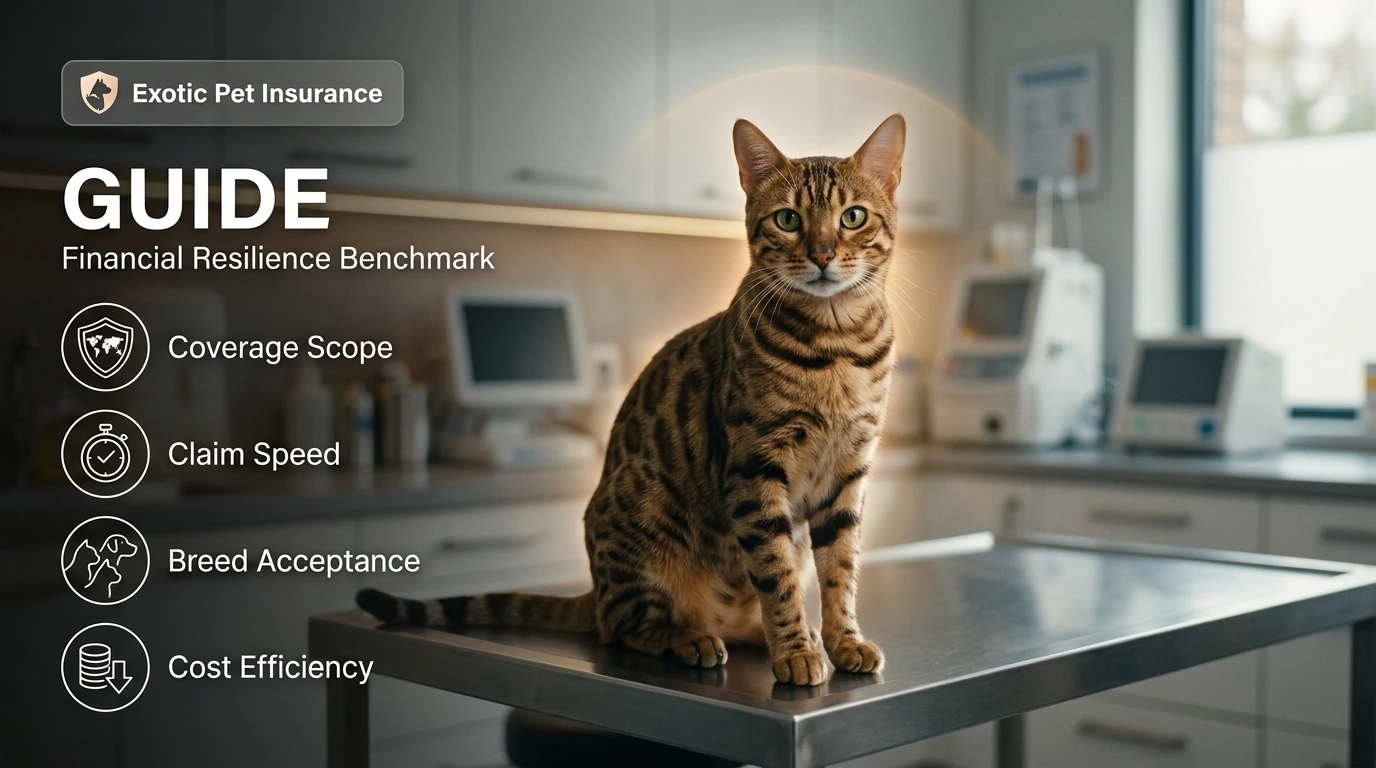
Assessing Specialized Pet Protection
For owners of rare dog and cat breeds, the decision to invest in exotic pet insurance is often driven by the potential for high-cost medical interventions. These policies are designed to mitigate the financial impact of accidents, illnesses, and breed-specific conditions. Industry consensus suggests that while premiums can be higher than for common breeds, the potential for substantial savings on emergency or chronic care can make them a worthwhile investment. Core strengths typically include coverage for a broader range of veterinary services, often including alternative therapies or specialist consultations that might be excluded from standard plans. However, it's important to recognize that policy specifics vary widely between providers, necessitating thorough comparison.
Policy Architecture and Eligibility
The structural integrity of an exotic pet insurance policy is defined by its coverage scope, exclusions, and eligibility criteria. Manufacturer specifications, in this context, refer to the detailed policy documents provided by insurance carriers. These typically outline:
- Covered Conditions: This can include accidents, illnesses, hereditary conditions common to specific rare breeds, and sometimes even behavioral therapies.
- Reimbursement Levels: Commonly ranging from 70% to 90% of eligible veterinary expenses after the deductible is met.
- Annual Limits: The maximum amount the policy will pay out in a policy year, which can range from a few thousand to unlimited.
- Deductibles: The amount an owner must pay out-of-pocket before the insurance coverage begins. This can be annual or per-incident.
- Exclusions: Pre-existing conditions are almost universally excluded. Other common exclusions might include routine wellness care (unless added as a rider), cosmetic procedures, or specific breed-related conditions if not explicitly covered.
Eligibility for rare breeds often depends on the specific animal's breed, age at enrollment, and documented health history. Some insurers may require a full veterinary examination prior to policy issuance to establish a baseline health record.
Navigating Coverage and Claims
How an exotic pet insurance policy functions in practical scenarios is critical for owners facing unexpected veterinary bills. When a rare breed requires medical attention, the process typically involves paying the veterinary bill upfront and then submitting a claim to the insurance provider for reimbursement. Commonly reported user experiences highlight the importance of meticulous record-keeping, including all invoices, diagnostic reports, and treatment plans, to facilitate a smooth claims process.
Policyholders should be aware of waiting periods, which are standard for most insurance plans. These periods, typically 14 days for illnesses and shorter for accidents, dictate how long after policy inception an incident must occur for it to be covered. Understanding these timelines and the specific documentation required by your insurer can significantly streamline the reimbursement process.

Advantages and Considerations
Exotic pet insurance presents several distinct advantages for owners of rare breeds, alongside some important considerations.
Advantages:
- Financial Security: Provides a crucial safety net against the high costs of specialized veterinary care, which can be significantly more expensive for rare breeds.
- Access to Advanced Care: With financial concerns alleviated, owners can more readily pursue advanced diagnostics, specialist consultations, and innovative treatments.
- Breed-Specific Coverage: Many policies are tailored to cover genetic conditions or predispositions prevalent in specific rare breeds, offering targeted protection.
- Peace of Mind: Knowing that significant medical expenses are manageable can reduce stress during a pet's health crisis.
Considerations:
- Higher Premiums: Due to the increased risk and potential cost of care, premiums for exotic and rare breeds are typically higher than for common pets.
- Pre-existing Conditions: As with all pet insurance, pre-existing conditions are not covered, making early enrollment critical.
- Variable Coverage: The specifics of what is covered can differ significantly between providers, requiring diligent comparison.
- Waiting Periods: Policies include waiting periods before coverage for certain conditions takes effect, which must be factored into planning.
Pro Tip: Understand Your Breed's Unique Risks
Before purchasing a policy, research common health issues or genetic predispositions specific to your rare breed. This knowledge will enable you to compare policies more effectively, ensuring the chosen plan adequately covers the most likely and potentially costly health concerns for your pet.
Investment Value and Target Owners
The definitive purchasing verdict for exotic pet insurance largely depends on an individual owner's financial capacity and risk tolerance, juxtaposed with the inherent health vulnerabilities of their rare breed. For owners of breeds known for specific, potentially costly genetic conditions or those who seek the highest level of veterinary care without financial constraint, the value proposition is strong. The investment can prevent substantial out-of-pocket expenses for treatments that could otherwise run into thousands of dollars.
This type of insurance is particularly suited for:
- Owners of rare dog or cat breeds with documented predispositions to expensive health conditions.
- Individuals who prioritize access to specialist veterinary care and advanced medical treatments.
- Pet parents who prefer predictable monthly expenses over the risk of large, unforeseen veterinary bills.
- New owners of exotic or rare breed puppies and kittens, as enrolling early avoids pre-existing condition exclusions.
Ultimately, exotic pet insurance serves as a critical financial tool, offering security and broader access to care for the unique needs of rare and specialized companion animals.
Frequently Asked Questions
A: Exotic pet insurance is often tailored to the specific health profiles and higher potential veterinary costs associated with rare breeds, covering conditions or treatments that might be excluded from standard policies.
A: Eligibility varies by insurer and breed. Some highly specialized or extremely rare breeds might have limited options, while others are readily insurable. It's crucial to get quotes specific to your pet.
A: Typically, basic policies focus on accidents and illnesses. Wellness plans or riders for preventative care, vaccinations, and routine check-ups are often available as an add-on for an additional premium.
A: Claim processing times can vary significantly between providers, ranging from a few days to several weeks. Digital submission and complete documentation generally lead to faster processing.
Post a Comment for "Navigating Exotic Pet Insurance: A Comprehensive Guide for Rare Breeds"