
Mastering Canine Calm: A Deep Dive into Supplements and Nutritional Strategies for Reactive Dogs
A sudden lunge at the sight of another dog, an incessant bark at the mail carrier, or trembling fear during thunderstorms – these are common, distressing indicators of canine reactivity that many owners grapple with daily. Such behaviors are not merely inconvenient; they signal underlying stress, anxiety, or overstimulation in our canine companions.
Addressing reactivity often requires a multi-faceted approach, and for many dogs, specific calming supplements and targeted medical nutrition can provide crucial support alongside professional behavior modification. Understanding the physiological underpinnings of these behaviors is key to selecting effective interventions.
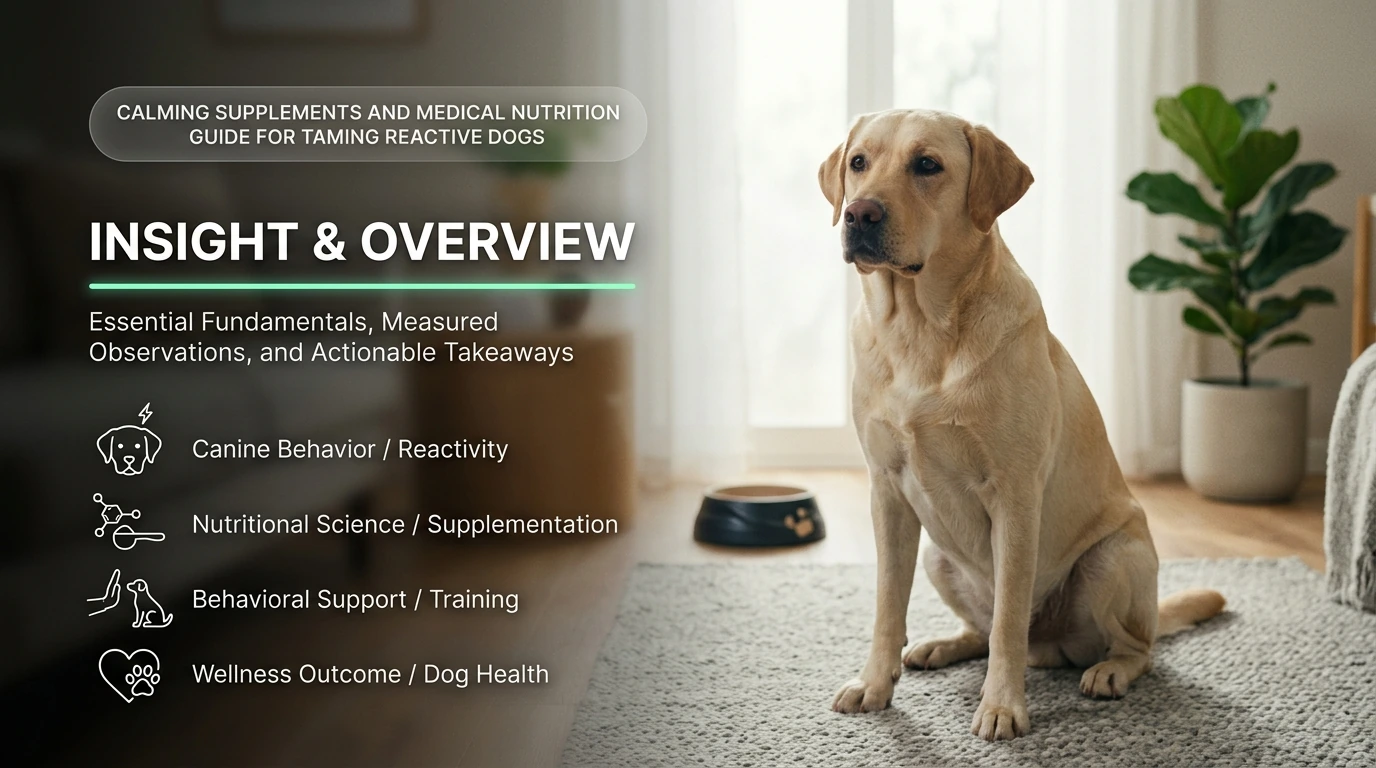
Key Takeaways
- Holistic Approach: Supplements and nutrition are integral components, not standalone solutions, within a broader behavior modification plan.
- Ingredient Focus: Prioritize understanding the mechanisms of action for key compounds like L-Theanine, Tryptophan, and adaptogens.
- Dietary Impact: Recognize that gut health and a balanced diet significantly influence a dog's mood and behavioral responses.
- Professional Guidance: Always consult a veterinarian or a certified veterinary behaviorist before introducing any new supplement or dietary change.
Decoding Canine Reactivity: Beyond the Bark
Canine reactivity manifests as an exaggerated response to specific stimuli, often rooted in fear, frustration, or overexcitement. This isn't a deliberate misbehavior but rather an emotional response that the dog struggles to regulate. Triggers can vary widely, from other dogs and unfamiliar people to specific sounds or environmental changes. Physiologically, a reactive episode involves an activation of the sympathetic nervous system, leading to a surge of stress hormones like cortisol and adrenaline. Sustained exposure to such stress can lead to chronic anxiety, impacting overall well-being.
Understanding the specific type and triggers of a dog's reactivity is the first critical step. Is it fear-based aggression, barrier frustration, or general overarousal? A detailed behavioral history and observation are indispensable for accurate assessment, often best conducted with a qualified professional.

The Science of Serenity: Key Calming Ingredients
A range of supplements are utilized to support calm behavior by modulating neurotransmitter activity or reducing physiological stress. These are not sedatives but rather aim to promote a more balanced emotional state.
Understanding Common Calming Compounds
| Ingredient | Mechanism of Action | Typical Effects | Considerations |
|---|---|---|---|
| L-Theanine | Amino acid found in green tea; promotes alpha brain waves, increasing GABA and dopamine levels. | Promotes relaxation without sedation, reduces anxiety, improves focus. | Generally well-tolerated. Effects can be subtle. |
| Tryptophan | Precursor to serotonin, a neurotransmitter associated with mood and well-being. | Supports mood regulation, reduces aggression and anxiety. | Best given on an empty stomach for absorption. Can take time to show effects. |
| Alpha-Casozepine (Zylkene) | Bioactive peptide derived from milk protein; binds to GABA receptors. | Promotes calm and relaxation, reduces stress-related behaviors. | Non-drowsy. Often used for situational anxiety. |
| Magnesium | Essential mineral involved in nerve function and muscle relaxation. | Supports neurological health, may reduce excitability. | Dosage is critical; excessive amounts can cause GI upset. |
| Probiotics/Prebiotics | Support gut microbiome health, influencing the gut-brain axis. | May improve mood, reduce anxiety, and support overall well-being. | Long-term use for optimal benefits. Not a quick fix for acute anxiety. |
It is crucial to note that the efficacy of these supplements can vary between individual dogs, and scientific research continues to evolve. Always select products from reputable manufacturers that provide third-party testing for purity and potency.
Fueling Tranquility: Nutritional Foundations
The role of diet in canine behavior is increasingly recognized. A dog's gut health, in particular, has a profound impact on its brain function and emotional state through the gut-brain axis. Imbalances in the gut microbiome can contribute to inflammation and affect neurotransmitter production, potentially exacerbating anxiety and reactivity.
High-quality, balanced nutrition forms the bedrock of a healthy nervous system. Diets rich in omega-3 fatty acids (EPA and DHA), found in fish oil, are known for their anti-inflammatory properties and support of brain health. Some studies indicate that dogs on diets formulated with specific nutrient profiles, including higher levels of L-tryptophan, may exhibit reduced anxiety-related behaviors. Avoiding diets with excessive artificial additives, colors, or preservatives is also a common recommendation, as these may contribute to hyperactivity or sensitivities in some dogs.
Strategic Implementation: Best Practices and Pitfalls
Integrating calming supplements and nutritional adjustments into a reactive dog's routine requires careful planning and observation.
Best Practices for Supplement Use
- Start Slowly: Introduce one supplement at a time, beginning with the lowest recommended dose. This allows for monitoring of individual responses and identification of any potential adverse effects.
- Consistency is Key: Many supplements require consistent daily administration for several weeks to reach therapeutic levels and observe noticeable changes.
- Observe and Document: Keep a detailed log of your dog's behavior, noting any changes in reactivity, mood, or physical well-being. This data is invaluable for assessing efficacy and discussing with your veterinarian.
- Combine with Training: Supplements are most effective when used in conjunction with positive reinforcement training and behavior modification techniques tailored to the dog's specific reactivity triggers.
Common Mistakes to Avoid
- Expecting Instant Results: Calming supplements are not sedatives and typically work over time to modulate physiological responses. Immediate dramatic changes are rare.
- Self-Diagnosing: Misinterpreting reactivity can lead to ineffective or even harmful interventions. Always seek professional veterinary or behaviorist guidance.
- Over-Supplementing: Giving multiple supplements without professional guidance can lead to interactions or excessive dosing of certain compounds, potentially causing health issues.
- Ignoring Underlying Issues: Supplements address symptoms, not necessarily the root cause. Behavioral modification, environmental management, and addressing any pain or medical conditions are paramount.
PRO CALLOUT NOTE: Gradual Introduction is Imperative
When introducing any new supplement or dietary change, a slow, incremental approach is non-negotiable. Monitor your dog closely for any changes in appetite, digestion, energy levels, or behavior. Any adverse reactions, however subtle, warrant immediate discontinuation and consultation with your veterinarian.
When to Seek Expert Intervention
While supplements and nutrition offer valuable support, they are rarely a standalone solution for complex reactivity. If your dog's reactivity is severe, dangerous, or not improving with initial interventions, professional help is essential. A board-certified veterinary behaviorist or a certified professional dog trainer with expertise in reactivity can provide a comprehensive assessment and develop a tailored behavior modification plan. In some cases, prescription medications may be necessary to help a dog reach a state where it can learn and respond to training.
Frequently Asked Questions
Q: How long does it typically take for calming supplements to show effects?
A: The timeframe varies significantly depending on the supplement and the individual dog. Some, like L-Theanine, might show subtle effects within hours for acute stress, but for chronic anxiety and behavioral changes, consistent daily use for 2-6 weeks is often required to observe noticeable improvements.
Q: Can I use multiple calming supplements together?
A: Combining supplements should only be done under the guidance of a veterinarian. There's a risk of additive effects, interactions, or exceeding safe dosages of certain ingredients. A professional can help determine a safe and effective combination if warranted.
Q: Are there any side effects to watch out for with calming supplements?
A: While many calming supplements are generally well-tolerated, potential side effects can include mild gastrointestinal upset (vomiting, diarrhea), lethargy, or allergic reactions. Always start with a low dose and monitor your dog closely. Discontinue use and consult your vet if any adverse reactions occur.
Q: What's the difference between a calming supplement and a prescription medication for anxiety?
A: Calming supplements typically use natural compounds to support neurological balance and reduce stress without directly altering brain chemistry in the same potent way. Prescription medications, on the other hand, are pharmaceuticals that directly target specific neurotransmitter systems to manage severe anxiety or phobias, often requiring careful veterinary oversight and titration.
Optimizing Guard Dog Performance: Advanced Taming and Essential Preventive Care Strategies →
Forward Look: Cultivating a Calmer Canine
The journey to taming canine reactivity is often a marathon, not a sprint. By integrating thoughtful nutritional strategies and appropriate calming supplements with consistent, positive behavior modification, owners can significantly improve their reactive dog's quality of life. The ongoing evolution of veterinary science continues to provide more nuanced tools for supporting canine mental well-being, emphasizing a future where a calm, confident dog is an achievable reality for more households.
Post a Comment for "Mastering Canine Calm: A Deep Dive into Supplements and Nutritional Strategies for Reactive Dogs"