
Optimizing Guard Dog Performance: Advanced Behavioral Training and Proactive Health Strategies
Ensuring the peak performance and longevity of a guard dog extends far beyond basic obedience. It demands a holistic strategy, integrating sophisticated behavioral conditioning with vigilant preventive veterinary care. This comprehensive approach acknowledges the unique physiological and psychological demands placed upon these dedicated working animals, aiming to cultivate both their innate protective instincts and their overall well-being. By synthesizing advanced training methodologies with proactive health protocols, owners and handlers can foster a resilient, responsive, and healthy companion capable of fulfilling its vital role effectively.
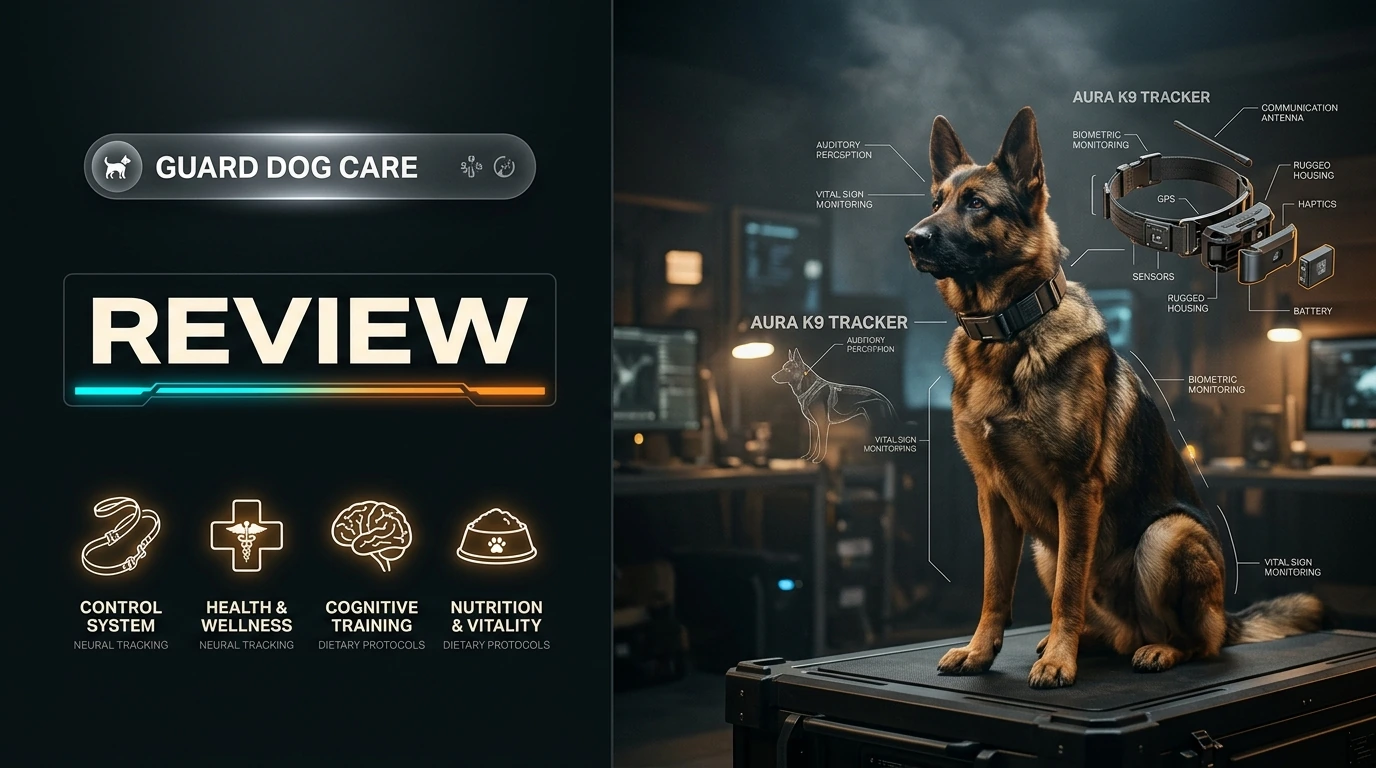
Key Takeaways
- Behavioral science forms the bedrock for effective guard dog training, emphasizing clear communication and reinforcement.
- Proactive preventive veterinary care is indispensable for a guard dog's sustained longevity and operational readiness.
- Tailored nutrition and a structured exercise regimen are critical for supporting robust physical health and a stable temperament.
- Early intervention for both health and behavioral concerns significantly enhances a guard dog's overall success and well-being.
The Core Philosophy of Guard Dog Management
The comprehensive framework for guard dog care centers on developing a highly capable and balanced animal. This approach integrates precision behavioral conditioning with rigorous health management, treating the dog not merely as a tool but as a sophisticated biological system. Its core strength lies in fostering a dog that is both acutely responsive to commands and instinctively protective, all while maintaining optimal physical and psychological health. Widely reported consensus among canine professionals highlights that this dual focus yields dogs with superior reliability and a longer, healthier working life, contrasting sharply with methods that prioritize aggression over control or neglect foundational health.
Foundational Pillars: Breed Suitability and Temperament Assessment
The effectiveness of any guard dog protocol begins with the inherent characteristics of the animal. Manufacturer specifications, in this context, translate to breed-specific traits and genetic predispositions. Breeds such as German Shepherds, Belgian Malinois, Rottweilers, and Doberman Pinschers are frequently selected due to their known intelligence, physical prowess, and trainability. Key 'technical specifications' include:
- Genetic Drive: High prey drive, territorial instinct, and courage are often present.
- Physical Attributes: Robust musculature, endurance, and bite strength are typical.
- Neurological Capacity: High trainability, problem-solving ability, and memory retention are essential for complex tasks.
Assessment of individual temperament, often through structured evaluations, is crucial to ensure the dog possesses the right blend of confidence, stability, and controlled aggression. A dog's 'build quality' is not just physical; it encompasses its genetic health, resilience to stress, and inherent disposition, all of which are critical for its demanding role.
Implementing Advanced Behavioral Conditioning
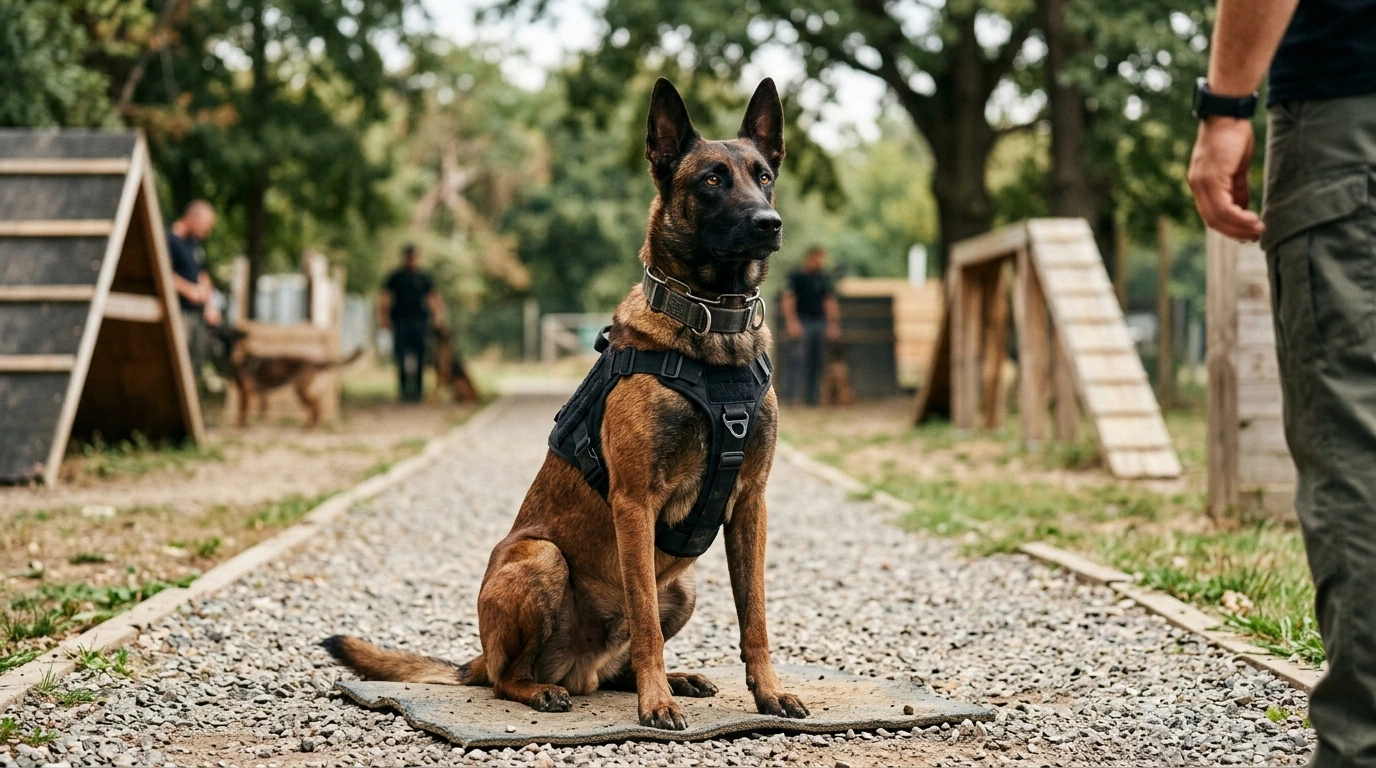
Advanced behavioral conditioning for guard dogs moves beyond basic obedience, focusing on scenario-based training, bite work, and controlled aggression. Practical application involves highly structured sessions that simulate real-world threats, teaching the dog to differentiate between perceived danger and normal activity. This requires consistent, clear communication from the handler and a deep understanding of canine learning theory.
- Controlled Aggression: Training focuses on triggering and de-escalating protective responses on command, never allowing uncontrolled aggression.
- Environmental Socialization: Exposure to diverse environments and people under controlled conditions helps build confidence and discernment.
- Handler Protection: Specific drills ensure the dog can defend its handler effectively in various situations.
- Obedience Under Duress: Commands must be followed reliably even amidst high-stress stimuli.
Commonly reported user experience indicates that success in these areas hinges on the trainer's expertise and the dog's inherent drive and stability. Programs often span months, if not years, to embed these complex behaviors reliably.
Proactive Health Regimens: Beyond Routine Check-ups
The physical demands on guard dogs necessitate a veterinary care plan that extends beyond annual vaccinations and basic wellness checks. Preventive care is paramount to address the unique stresses these animals endure. This includes:
- Joint Health Monitoring: Many large, active breeds are prone to hip and elbow dysplasia, requiring regular screenings and potentially joint supplements.
- Cardiovascular Health: Regular cardiac evaluations are recommended, especially for breeds predisposed to heart conditions.
- Dental Hygiene: Aggressive chewing and bite work can lead to dental issues, making professional cleanings and at-home care vital.
- Nutritional Planning: High-performance diets are essential to support energy levels, muscle maintenance, and overall recovery.
- Stress Management: Veterinary insight into stress-related health issues, like gastrointestinal upset or behavioral changes, is crucial.
Veterinary consensus emphasizes that early detection and management of potential health issues significantly extend a guard dog's working life and quality of life.
PRO TIP
Consistent reinforcement and a unified approach from all handlers are paramount. Inconsistency can rapidly undermine even the most advanced training protocols, leading to confusion and potential behavioral regressions in guard dogs.
Strengths and Considerations of an Integrated Approach
This integrated approach to guard dog care presents compelling advantages, alongside important considerations.
Pros:
- Enhanced Reliability: Dogs trained with this methodology are known for their consistent and predictable responses.
- Improved Health Outcomes: Proactive veterinary care minimizes downtime due to illness or injury.
- Greater Control: Advanced training fosters a dog that is highly controllable, even in high-stress situations.
- Extended Working Life: A healthy, well-trained dog can perform its duties effectively for a longer period.
- Stronger Bond: The intensive training and care often forge a deeper bond between dog and handler.
Cons:
- Significant Time Investment: Both advanced training and comprehensive health management require substantial time commitment.
- High Financial Cost: Specialized training, high-quality nutrition, and advanced veterinary care are often expensive.
- Requires Expertise: Handlers must possess or acquire significant knowledge in canine behavior and health.
- Limited Availability of Specialists: Finding qualified advanced trainers and veterinarians specializing in working dogs can be challenging in some regions.
Maximizing Your Investment: Who Benefits Most from This Protocol
This comprehensive protocol represents a significant investment in time, effort, and financial resources. It is not a casual undertaking but rather a commitment to excellence in canine guardianship. The definitive purchasing verdict is that this approach is best suited for individuals or organizations with specific security needs, who are prepared for the dedication required. This includes:
- Professional Security Firms: Seeking highly capable and reliable working dogs for protection duties.
- Private Estate Owners: Requiring robust security for their property and family.
- Experienced Dog Handlers: Those with a deep understanding of canine behavior and a commitment to ongoing training.
- Individuals Prioritizing Longevity: Owners who value maximizing their dog's healthy working life and overall well-being.
For those seeking a truly effective and resilient guard dog, this integrated strategy offers unparalleled results in terms of both performance and health, justifying the considerable commitment it demands.
Navigating Specialized Care: A 2026 Guide to Health Insurance for Rare Canine Breeds →
Frequently Asked Questions on Guard Dog Care
How early should advanced training begin?
While basic obedience can start in puppyhood, advanced behavioral conditioning for guard dogs typically begins between 6-12 months of age, once the dog has developed sufficient physical and mental maturity, and a strong foundational bond with its handler.
What are common health challenges for guard dog breeds?
Guard dog breeds, often large and active, are frequently predisposed to musculoskeletal issues like hip and elbow dysplasia, certain cardiac conditions, and bloat. Regular veterinary screenings and preventive measures are crucial for managing these risks.
Can these techniques be applied to older dogs?
While it's generally more effective to start advanced training with younger dogs, some aspects of behavioral conditioning and enhanced preventive care can be adapted for older dogs, depending on their health, prior training, and temperament. Progress may be slower, and physical limitations must be considered.
How often should a guard dog see a vet?
Beyond annual wellness exams, guard dogs typically benefit from more frequent veterinary check-ups, often every 6 months, to monitor joint health, cardiovascular function, and address any performance-related concerns promptly. This proactive approach supports their demanding lifestyle.
Post a Comment for "Optimizing Guard Dog Performance: Advanced Behavioral Training and Proactive Health Strategies"