
Optimizing Guard Dog Performance: Advanced Taming and Essential Preventive Care Strategies
Ensuring a guard dog performs at its peak requires more than just basic obedience; it demands a strategic integration of advanced taming methodologies and rigorous preventive veterinary care. This holistic approach is crucial for developing a canine protector that is not only effective in its duties but also healthy, balanced, and a true asset to its handler or family.
Key Takeaways
- Integrated Approach: Optimal guard dog performance stems from combining advanced behavioral training with comprehensive health management.
- Behavioral Refinement: Techniques like scenario-based training and controlled aggression are vital for reliable protection.
- Proactive Health: Regular veterinary check-ups, specialized nutrition, and mental enrichment prevent common issues.
- Long-Term Investment: Dedication to consistent training and health protocols ensures a guard dog's longevity and effectiveness.
Strategic Overview: Elevating Guard Dog Capabilities
The development of an exceptional guard dog hinges on a dual commitment: sophisticated behavioral conditioning and meticulous health oversight. Modern understanding suggests that true proficiency in a protection role comes from a dog that is not only physically capable but also mentally stable and predictable. This involves moving beyond basic obedience to specialized training modules that simulate real-world threats, coupled with a robust veterinary care plan designed to maintain peak physical and cognitive function. The consensus among professional handlers and veterinarians points to a highly structured, positive reinforcement-based training regimen, supported by a diet and exercise program tailored to the breed's specific needs and the demands of its working role.
Foundational Principles: Training Methodologies and Health Protocols
Effective guard dog training relies on a systematic approach that builds confidence and control. Key methodologies often include advanced obedience, bite work (where appropriate and legally permissible), environmental conditioning, and scenario-based training. These techniques aim to hone the dog's natural protective instincts into a controlled, reliable response. For instance, controlled aggression training teaches the dog to differentiate between perceived threats and non-threats, responding only when necessary and de-escalating on command. This requires consistent, repetitive sessions with experienced trainers, gradually increasing complexity and distraction levels.
Concurrently, a stringent preventive veterinary care protocol is non-negotiable. This typically encompasses:
- Regular Health Screenings: Annual comprehensive physical exams, blood work, and fecal analyses to detect issues early.
- Vaccination & Parasite Control: Adherence to a strict schedule for core and lifestyle-dependent vaccines, along with year-round internal and external parasite prevention.
- Joint and Musculoskeletal Health: Given the physical demands, proactive care for joints, including supplements (e.g., glucosamine, chondroitin) and regular veterinary assessments for conditions like hip and elbow dysplasia, is critical.
- Dental Hygiene: Routine professional dental cleanings and at-home care to prevent periodontal disease, which can impact overall health.
- Emergency Preparedness: Owners are often advised to have a first-aid kit and knowledge of basic canine emergency care.
Real-World Application: Implementing Advanced Guard Dog Strategies
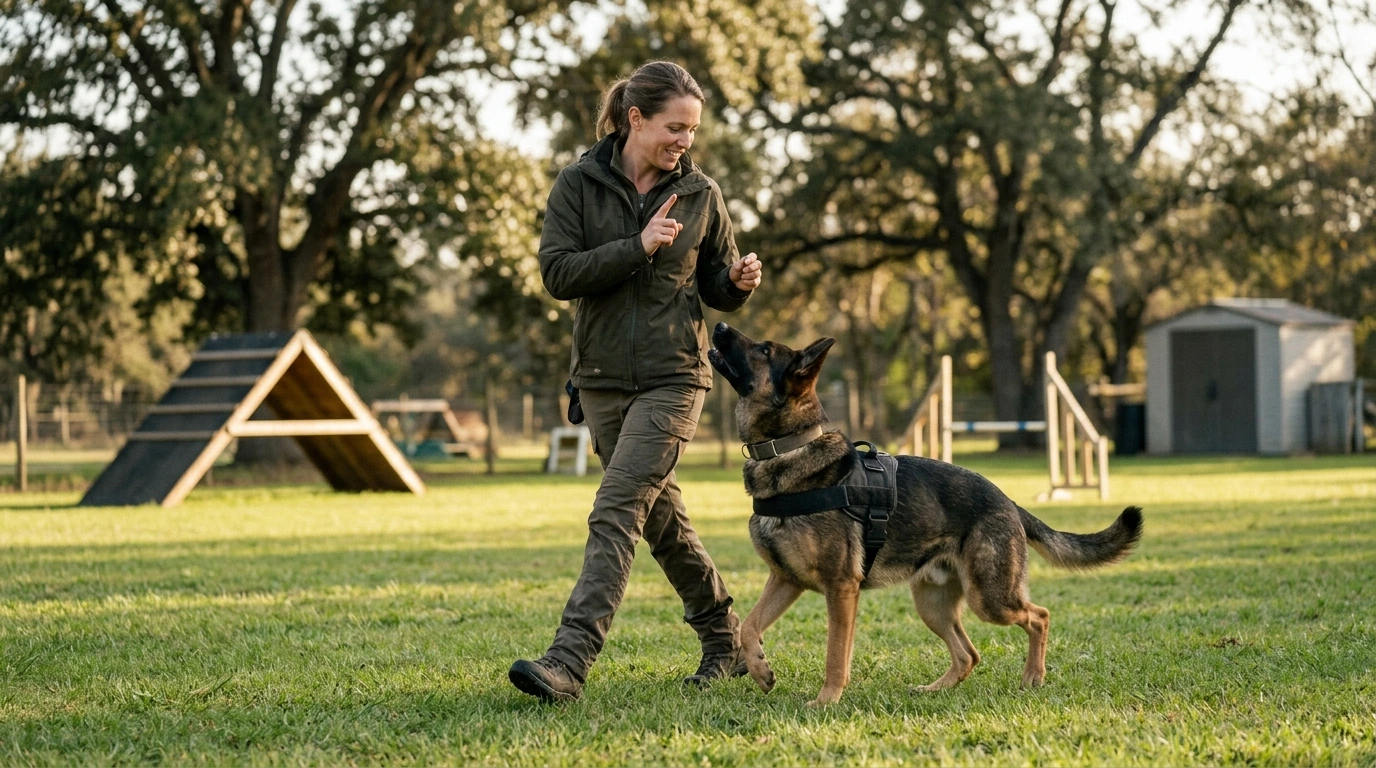
In practical scenarios, the efficacy of these techniques becomes evident. A well-trained guard dog, having undergone advanced taming, will exhibit a calm demeanor in routine situations but can rapidly transition to a protective stance when a threat is identified. This responsiveness is not instinctual alone; it's the product of consistent reinforcement and clear communication established during training. For example, a dog conditioned to 'bark and hold' will alert to an intruder and maintain a deterrent presence without unnecessary physical engagement, awaiting its handler's command. Reported user experiences frequently highlight the peace of mind derived from a dog that understands its role and boundaries, performing its duties with precision rather than indiscriminate aggression.
From a veterinary perspective, the practical benefits of preventive care are equally significant. Dogs maintained on a rigorous health schedule are less prone to debilitating injuries or illnesses that could compromise their ability to perform. This proactive approach minimizes downtime and ensures the dog remains fit for duty over a longer lifespan, reducing unexpected veterinary costs and extending the working life of these valuable animals.
PRO TIP: Consistent Reinforcement
Even after initial training, guard dogs benefit immensely from ongoing, short daily reinforcement sessions. This maintains their skill set, strengthens the bond with their handler, and ensures commands remain crisp and reliable, especially under pressure.
Strengths and Considerations for Guard Dog Programs
Implementing advanced taming and preventive care offers several notable advantages:
- Enhanced Reliability: Dogs are more consistent in their protective responses, reducing false alarms and ensuring appropriate action.
- Improved Safety: Controlled training minimizes risks to innocent parties and ensures the dog operates within legal and ethical boundaries.
- Extended Working Life: Proactive health management can significantly prolong a guard dog's active service years, protecting the investment in training.
- Stronger Canine-Handler Bond: Shared training experiences and diligent care deepen the trust and understanding between dog and owner.
However, there are also considerations:
- Significant Time Commitment: Both advanced training and comprehensive care require substantial ongoing time and dedication from the owner or handler.
- Financial Investment: Professional training, specialized veterinary care, and quality nutrition represent a notable financial outlay.
- Need for Expertise: Owners must either possess significant knowledge or rely on certified, reputable professionals for both training and veterinary services.
Navigating Specialized Care: A 2026 Guide to Health Insurance for Rare Canine Breeds →
Assessing the Investment: Ideal Candidates for Advanced Guard Dog Management
For individuals or organizations requiring a high-level security asset, investing in advanced taming techniques and robust preventive veterinary care for a guard dog is a sound decision. This approach is particularly suited for those with properties needing active protection, businesses with valuable assets, or families seeking a highly trained personal protection dog. The definitive purchasing verdict leans towards this comprehensive strategy for anyone serious about the long-term effectiveness, safety, and well-being of their working canine. While the initial and ongoing commitments are substantial, the return on investment in terms of enhanced security, peace of mind, and the health of a dedicated companion is widely regarded as invaluable.
Post a Comment for "Optimizing Guard Dog Performance: Advanced Taming and Essential Preventive Care Strategies"