
The Responsible Guard Dog Owner's Protocol: Training, Control, and Coverage
For property owners seeking enhanced security, the integration of a guard dog can be highly effective, provided a rigorous and responsible training protocol is established. Without proper guidance and adherence to established methods, these powerful animals can become liabilities rather than assets. This guide outlines the critical steps and considerations for safely managing a guard dog, emphasizing professional training and robust legal and insurance frameworks.
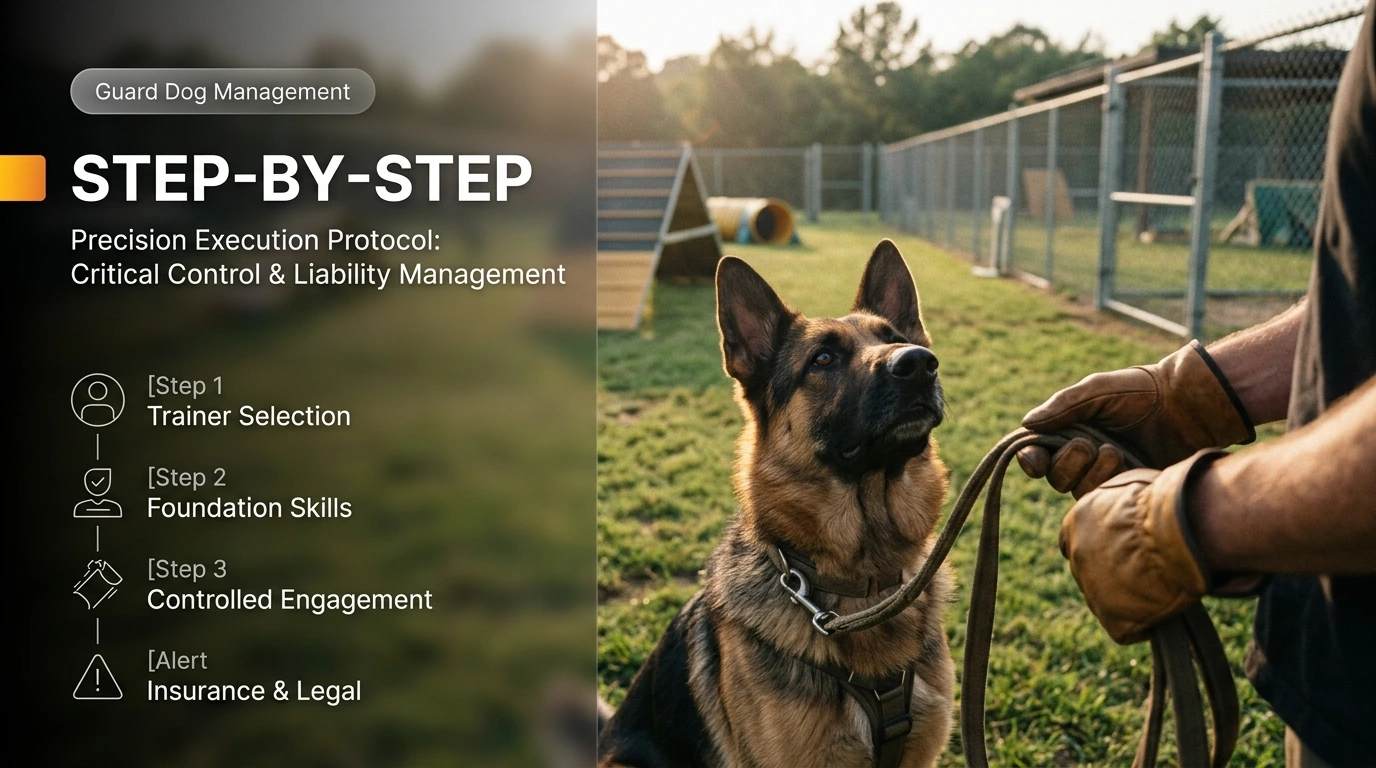
Understanding the Core Challenge of Guard Dog Management
The primary challenge with guard dogs lies in balancing their protective instincts with absolute handler control and public safety. An effective guard dog must be able to deter threats, engage when necessary, and, crucially, disengage immediately upon command. This level of nuanced control is not innate; it requires specialized training that goes beyond basic obedience. The inherent power and protective drive of breeds typically selected for guard duties necessitate a structured approach to prevent unintended aggression or legal complications.
Essential Preparations and Resources
Before acquiring or commencing training with a guard dog, several prerequisites and resources are indispensable:
- Certified Professional Trainer: Engage a trainer specifically certified and experienced in protection or guard dog work. Verify their credentials, experience with your chosen breed, and their methodology.
- Appropriate Training Equipment: This includes high-quality leashes, collars (e.g., slip leads, prong collars used correctly), muzzles for controlled environments, long lines, and, for advanced protection work, bite sleeves or suits used by the trainer.
- Secure Training Environment: A fenced, controlled area free from distractions and potential hazards is vital for initial and ongoing training sessions.
- Legal Counsel: Consult with an attorney knowledgeable in animal law to understand local ordinances, liability implications, and best practices for responsible guard dog ownership.
- Comprehensive Insurance Policy: Secure a robust liability insurance policy that specifically covers incidents involving your guard dog. Standard homeowner's insurance often has exclusions for certain breeds or types of incidents.
A Phased Approach to Control and Integration
Successful guard dog integration follows a methodical, progressive training regimen:
- Initial Temperament and Drive Assessment: A professional trainer will evaluate the dog's natural drives (prey, defense, fight), courage, nerve stability, and overall temperament to determine suitability for guard work.
- Foundation Obedience and Socialization: Before any protection work begins, the dog must have impeccable obedience (sit, stay, come, heel) and be well-socialized to various people, environments, and other animals in a controlled manner. This ensures the dog is manageable and not indiscriminately aggressive.
- Controlled Protection Training: Under the strict supervision of a certified trainer, the dog is introduced to bite work, boundary protection, and threat assessment. Critical commands such as 'alert,' 'hold,' and 'out' (release) are instilled. This phase is about channeling natural drives into controlled, predictable responses.
- Environmental Integration and Scenario Training: Once basic protection commands are solid, training progresses to real-world scenarios relevant to your property or security needs. This might include perimeter patrols, vehicle protection, or responding to specific triggers, always under controlled conditions.
- Legal and Insurance Framework Review: Concurrently with training, ensure all legal requirements are met and your insurance policy is active and tailored to cover guard dog-specific risks.
- Ongoing Maintenance and Refresher Training: Guard dog skills are perishable. Regular, consistent refresher training sessions with your certified professional are essential to maintain the dog's proficiency, control, and appropriate behavior.
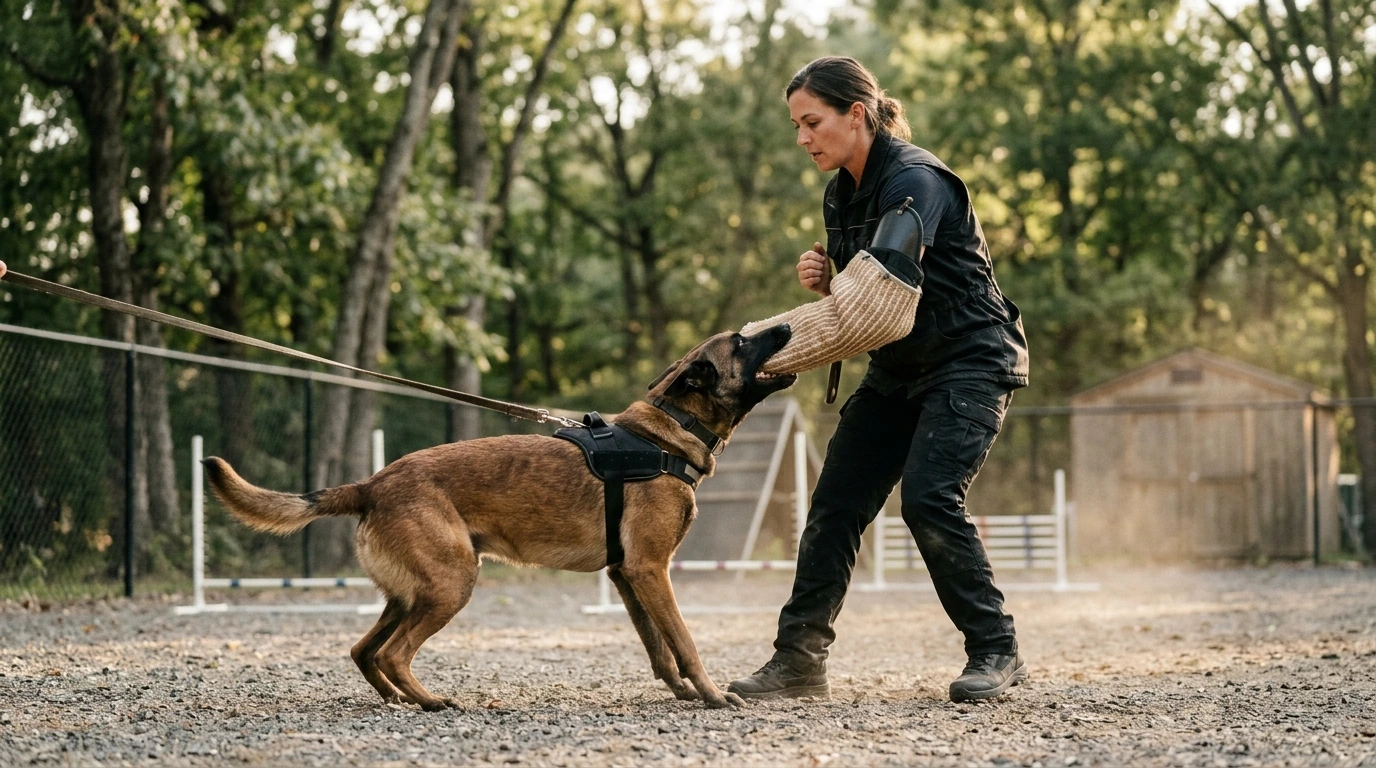
Avoiding Critical Missteps in Training
Several common errors can compromise the effectiveness and safety of a guard dog:
- DIY Training: Attempting to train a guard dog without professional expertise often leads to an uncontrollable, dangerous animal. The nuances of protection training require specialized knowledge.
- Neglecting Socialization: A guard dog that is not adequately socialized may react unpredictably to non-threats, leading to aggression and potential legal issues.
- Inconsistent Commands: Lack of consistency from all handlers undermines the dog's understanding and reliability. Every command must be clear and uniformly enforced.
- Using Unqualified Trainers: Not all dog trainers are equipped for protection work. Selecting a trainer without verifiable experience and certifications in this specific field is a significant risk.
- Ignoring Legal Liabilities: Failing to understand and mitigate the legal risks associated with owning a powerful protection dog can result in severe financial and legal repercussions.
- Inadequate Insurance: Relying on standard insurance that excludes specific breeds or dog-related incidents leaves owners vulnerable to substantial claims.
Effective Strategies for Taming Working Dog Breeds and Reducing Behavioral Healthcare Expenses →
Confirming Operational Readiness and Safety
Before a guard dog is considered fully integrated and operational, a thorough verification process is necessary:
- Consistent Command Response: The dog reliably and immediately responds to all obedience and protection commands from its primary handler, regardless of environmental distractions.
- Appropriate Restraint Demonstrated: The dog exhibits control and restraint, only engaging threats on command and disengaging instantly when instructed. There is no unprovoked aggression towards people or animals.
- Trainer Certification Current: Ensure your professional trainer's certifications and qualifications are up-to-date and recognized within the protection dog community.
- Insurance Policy Active and Comprehensive: Verify that your liability insurance policy is current, covers guard dog-specific incidents, and provides adequate coverage limits.
- Legal Compliance: Confirm adherence to all local, state, and national regulations pertaining to guard dog ownership, including licensing, signage, and containment requirements.
Post a Comment for "The Responsible Guard Dog Owner's Protocol: Training, Control, and Coverage"