
Mastering Working Dog Behavior: A Guide to Effective Taming and Cost-Efficient Care
Key Takeaways
- Early, consistent socialization and training are paramount for working breeds to prevent common behavioral issues.
- Understanding breed-specific instincts and providing adequate mental and physical stimulation is crucial for behavioral health.
- Proactive veterinary care, including regular check-ups and preventative measures, significantly reduces the likelihood and cost of complex behavioral interventions.
- Leveraging professional guidance from certified trainers and behaviorists, alongside pet insurance, can mitigate long-term behavioral healthcare expenses.
Navigating the unique demands of working dog breeds requires more than just basic obedience; it calls for a deep understanding of their innate drives, energy levels, and potential for complex behaviors. Successfully taming these magnificent animals and managing their behavioral healthcare costs involves a strategic, proactive approach that integrates consistent training, environmental enrichment, and astute financial planning from the outset.

The Proactive Path to Canine Harmony
For owners of working dog breeds, the journey towards a well-adjusted companion begins with foresight. These dogs are genetically predisposed to specific tasks, whether herding, guarding, or retrieving, which translates into high energy, intelligence, and a strong drive for purpose. The core strength of effective management lies in channeling these inherent traits constructively, rather than attempting to suppress them. This involves establishing clear boundaries, providing ample opportunities for physical and mental exercise, and consistent positive reinforcement.
Widely reported consensus among canine behaviorists highlights that proactive engagement, starting from puppyhood, significantly reduces the incidence of behavioral problems such as destructive chewing, excessive barking, or reactivity. The investment in early training and socialization, while requiring time and effort, is consistently shown to yield long-term benefits in terms of a calmer, more manageable dog and reduced need for costly behavioral interventions later in life.
Deciphering Working Breed Instincts
Each working dog breed comes with its own set of 'specifications' – a genetic blueprint that dictates typical temperament, energy requirements, and common behavioral predispositions. For instance, Border Collies exhibit intense herding instincts, which, if unaddressed, can manifest as nipping at heels or attempting to 'herd' children. German Shepherds, known for their protective nature, require careful socialization to ensure their guarding instincts are appropriately directed.
Understanding these breed-specific traits is foundational. Manufacturer specs, in this context, translate to breed standards and historical working roles, which provide invaluable insights into a dog's likely needs. A Labrador Retriever's drive to carry objects, a Rottweiler's inherent confidence, or a Siberian Husky's need for extensive running are not flaws but defining characteristics that must be accommodated. Durability, in a behavioral sense, refers to a dog's resilience and adaptability, often linked to early life experiences and consistent training that builds confidence and coping mechanisms. Ergonomics relates to how well the dog's environment and training methods align with its natural tendencies and physical capabilities.
Strategic Behavioral Shaping in Practice
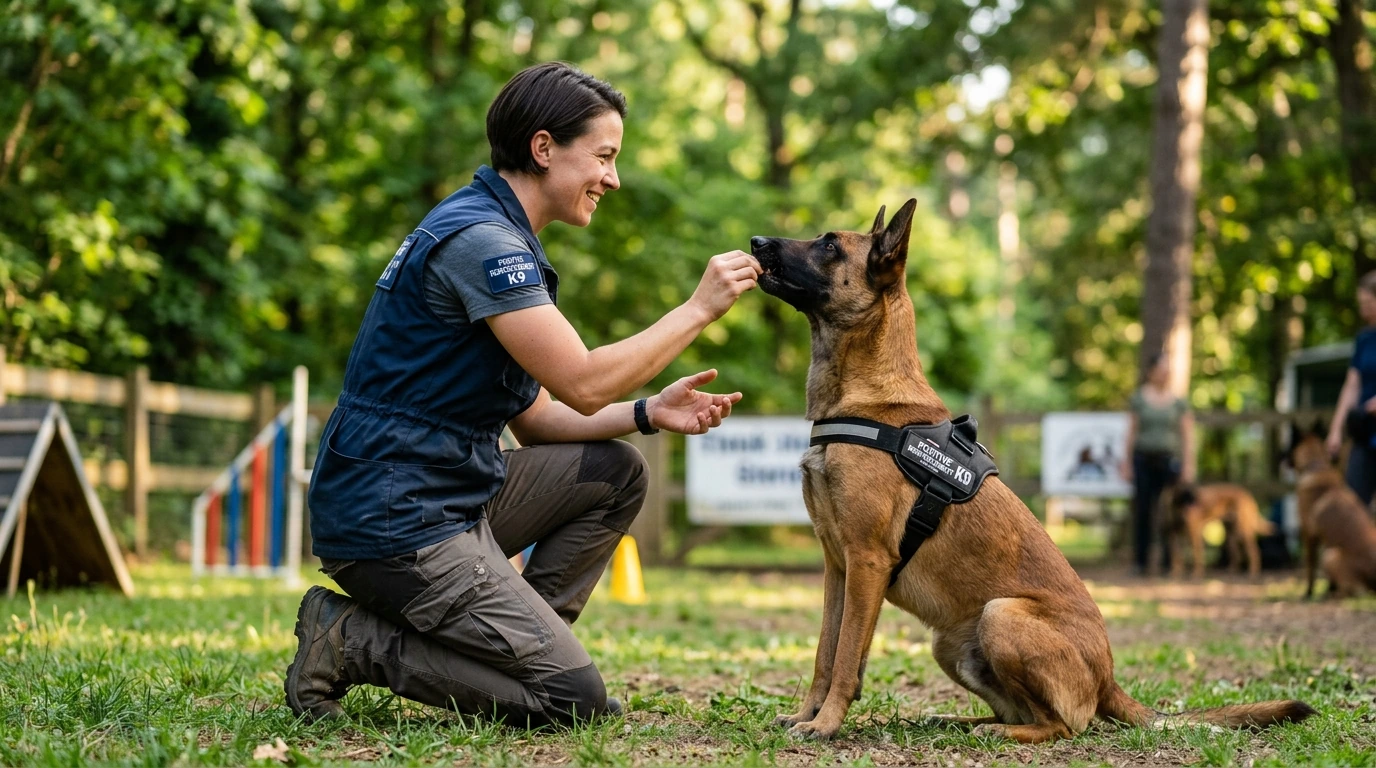
Effective behavioral management for working dogs moves beyond simple commands, integrating a holistic approach to their daily lives. Practical scenarios often involve channeling their drives into appropriate outlets. For a high-energy breed, this might mean daily agility training, long hikes, or specialized 'nose work' activities that engage their intellect. For a protective breed, consistent exposure to various people and environments during critical socialization periods is key to fostering appropriate responses.
Typical usability considerations include the owner's commitment to daily exercise, mental stimulation, and ongoing training. Without these, even the most well-bred working dog can develop problematic behaviors out of boredom or frustration. Common user feedback indicates that owners who invest in structured activities like dog sports or advanced obedience classes report significantly fewer behavioral issues. The analysis of known specs suggests that breeds bred for sustained activity require at least 60-90 minutes of vigorous exercise daily, often broken into multiple sessions, alongside regular mental challenges.
PRO TIP:
Consistent, positive-reinforcement based training from a young age is the single most impactful strategy for preventing costly behavioral issues. Early intervention for even minor behavioral quirks can save significant expenses on professional behavior modification later.
Here's a comparison of common behavioral challenges and effective management approaches:
| Behavioral Issue | Primary Cause (Typical) | Initial Management Strategy | Potential Cost Impact (Untreated) |
|---|---|---|---|
| Excessive Barking | Boredom, lack of stimulation, territoriality | Increased exercise, mental puzzles, desensitization training | Neighbor complaints, professional trainer fees ($500-$2000+) |
| Destructive Chewing | Under-stimulation, anxiety, teething | Appropriate chew toys, crate training, structured play | Property damage ($100-$1000s), vet visits for foreign body ingestion ($500-$5000+) |
| Leash Reactivity | Fear, over-arousal, lack of socialization | Counter-conditioning, parallel walking, professional guidance | Injury to dog/owner/others, behaviorist consultations ($1000-$5000+) |
| Separation Anxiety | Over-attachment, traumatic events | Gradual desensitization, enrichment, vet consultation for medication | Property damage, medication costs, behaviorist ($1000-$5000+), potential rehoming |
Balancing Commitment and Reward
The advantages of a proactive and engaged approach to working dog behavior are substantial. Owners consistently report deeper bonds with their dogs, greater control in various environments, and the profound satisfaction of seeing their dog thrive. A well-managed working dog is a joy, capable of participating in diverse activities and integrating seamlessly into family life. This positive outcome is a direct reward for the commitment invested in their training and care.
However, noticeable drawbacks exist, primarily concerning the significant time and energy commitment required. Working dogs are not suited for sedentary lifestyles; their needs for exercise and mental engagement are non-negotiable. For owners unable to consistently provide these outlets, behavioral problems are almost inevitable. Another consideration is the potential financial outlay for specialized training equipment, classes, and, if necessary, professional behaviorists. While these are investments that prevent greater costs down the line, they represent an initial hurdle for some.
Integrating a Guard Dog Safely: Certified Training and Essential Insurance Protocols →
Investing Wisely in Lifelong Canine Health
For individuals considering a working dog breed, or those already owning one, the definitive purchasing verdict is clear: prioritize education, commitment, and preventative care. This guide is particularly relevant for active individuals, families with experience in dog ownership, or those prepared to dedicate significant time and resources to their dog's well-being.
From a value analysis perspective, investing in high-quality puppy classes, ongoing obedience training, and breed-specific activities represents excellent value. These upfront costs are typically far less than the expenses associated with treating severe behavioral disorders, which can include extensive veterinary consultations, prescription medications, specialized behaviorist fees, and property damage. Furthermore, considering pet insurance that covers behavioral therapies can be a prudent financial decision, offering a safety net against unexpected and often expensive treatments for complex conditions. Proactive veterinary care, including regular check-ups, appropriate vaccinations, and parasite control, also contributes to behavioral health by ruling out underlying medical causes for behavioral changes.
Post a Comment for "Mastering Working Dog Behavior: A Guide to Effective Taming and Cost-Efficient Care"